Music of the Night Side
Sonic correspondences of the Dark Tree
Beginning in the 1970s, a circle of musicians took shape in Europe, working at the intersection of sound, occultism, and extreme aesthetic experience. This is neither metaphor nor marketing: many of them drew openly on the Kabbalistic tradition, worked with the texts of Crowley and Grant, knew each other personally, and recorded in music what others described in books. What follows is neither a discography nor biography. What follows are specific albums in which the principle of one or another Qlipha can be heard more precisely than in many texts.
Correspondences have been found for all ten Qliphoth. The “Extended context” section is outside the principal structure: artists who are not bound to a specific Sephirah but who work within the same tradition of darkness.
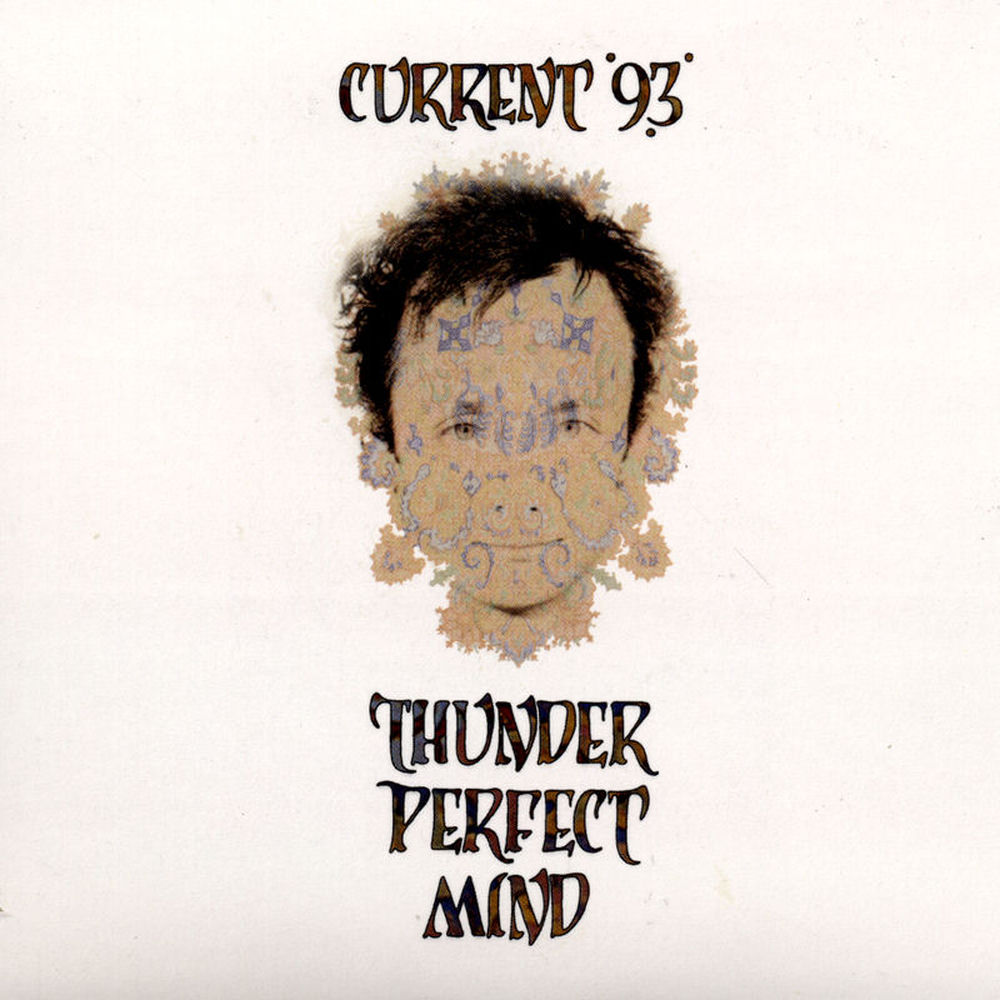
The album is built entirely on a Gnostic text from Nag Hammadi: the monologue of a female voice who declares herself through incompatible pairs, “I am the first and the last, I am the honored and the scorned, I am the whore and the saint.” That is less a poetic device than the structure of Thaumiel seen from within: two voices, two principles that are simultaneously true and cannot come to terms. With Current 93 this text sounds like a state that must be endured, not a paradox waiting to be resolved.
Current 93: the project of David Tibet (b. 1960), existing since 1982 in a constantly shifting line-up. Tibet works with apocalyptic imagery, Christian mysticism, Blake, and Crowley at one and the same time, and it is precisely this contradiction, the impossibility of synthesis, that is his permanent theme. A close friend and ally of John Balance of Coil.
Neubauten
Ghagiel: the obstruction in the flow of wisdom, chaotic static in place of the primordial flash of Chokmah. “Halber Mensch” (“Half-man”) is a recording of a live performance in which Blixa Bargeld and his Neubauten turn construction waste, scrap metal, and industrial implements into music that resists form-making as a principle. Wisdom is lightning, sudden and total. Ghagiel is what it strikes before reaching the next level. On this album Neubauten are literally this.
Einstürzende Neubauten: a Berlin project founded in 1980; Blixa Bargeld built instruments out of construction debris, tin cans, metal structures. In 1985, when “Halber Mensch” appeared, Bargeld was playing guitar in parallel with Nick Cave and the Bad Seeds, and that alone characterizes the range.
Sathariel: “He Who Conceals God,” the concealment of understanding, not its absence but its perpetual postponement behind the next veil. On “Prospectus I” Peter Andersson builds exactly this: layers, filters, Latin texts as incantations without translation, voices on the threshold of audibility. The meaning is present; it simply never becomes accessible. What Sathariel does to Binah, this album does to the listener: understanding lies behind the next veil, and the next, and the next.
Raison d'être: the Swedish project of Peter Andersson, founded in 1991. Works with dark ambient, industrial sound, and medieval sacred music simultaneously. Andersson also runs the projects Bocksholm and Atomine Elektrine, each of which develops a separate aspect of the same hermetic aesthetic.
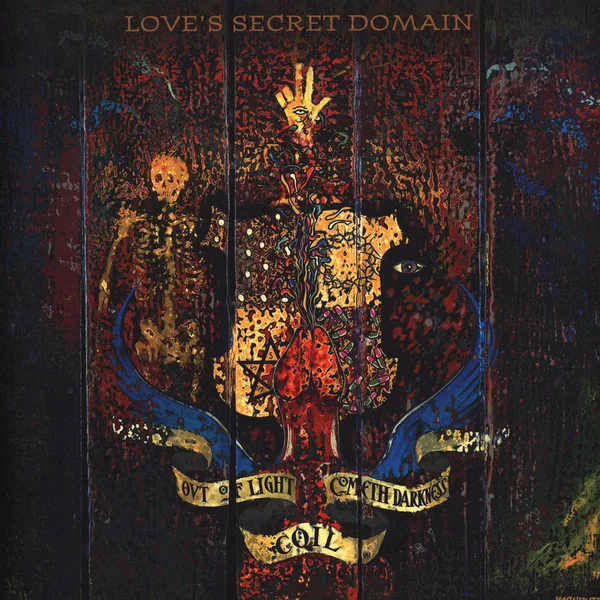
Gha'agsheblah: the shadow of Chesed, of boundless mercy. When love loses form and its banks, it does not cease to be love: it becomes Gha'agsheblah. “Love's Secret Domain” is an album about love as a force that recognizes no limits and that destroys for that very reason. Acid ecstatic textures, the voice of Balance as a ritual instrument, and the constant sense that pleasure and dissolution are one and the same. Coil do not describe this state; they reproduce it.
Coil: John Balance (1962–2004) and Peter Christopherson (1955–2010). One of the few musical projects in which work with the Qliphoth was no metaphor: Balance studied Thoth, Grant, and Lurianic Kabbalah as a working system. Balance died in 2004 after falling from the balcony of his own house. Christopherson died in his sleep in 2010.
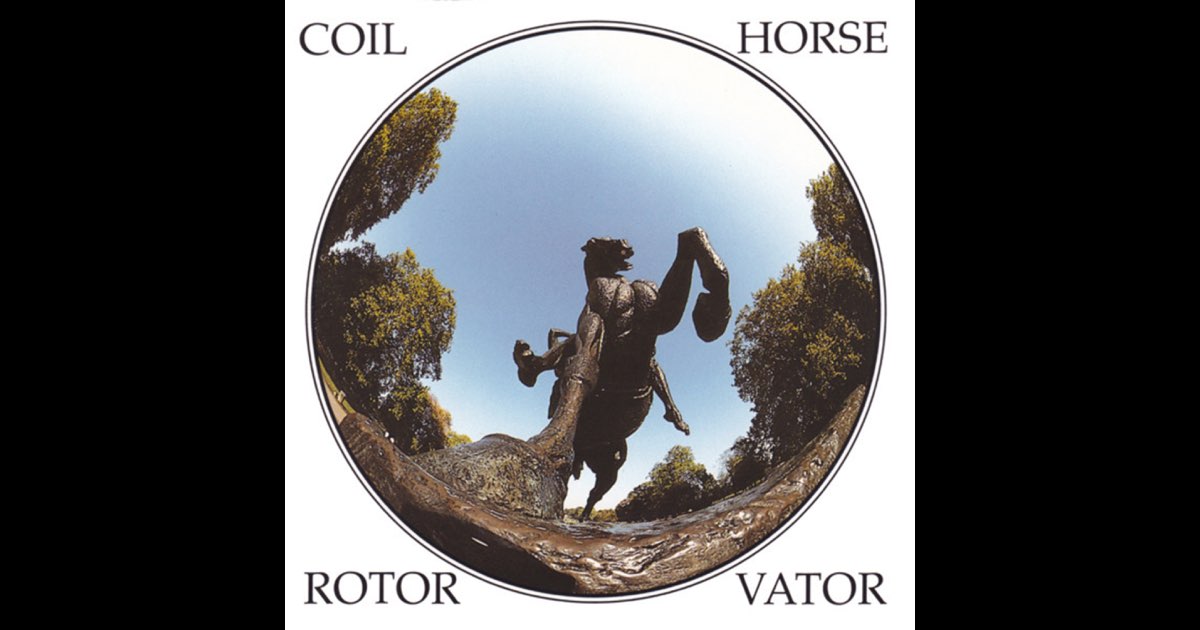
Golachab: fire without aim, destruction as a principle. “Horse Rotorvator” came out at the height of the AIDS crisis, and the crisis is physically present in it: blood, decomposition, sacrifice, the death of Pasolini, bodies that cease to be bodies. The title, a deliberate distortion of the word “rotovator” (a soil grinder), names an implement that loosens, grinds down, does not build. This is the most direct of Coil's albums: without ecstasy, without dissolution, only fire that does not ask permission.
Coil during the “Horse Rotorvator” period worked alongside Genesis P-Orridge and were strongly under the influence of Austin Osman Spare's ideas of artistic ritual. The album was recorded, among other things, as a reaction to the deaths of people in their circle, which makes its tie to Golachab literal rather than metaphorical.
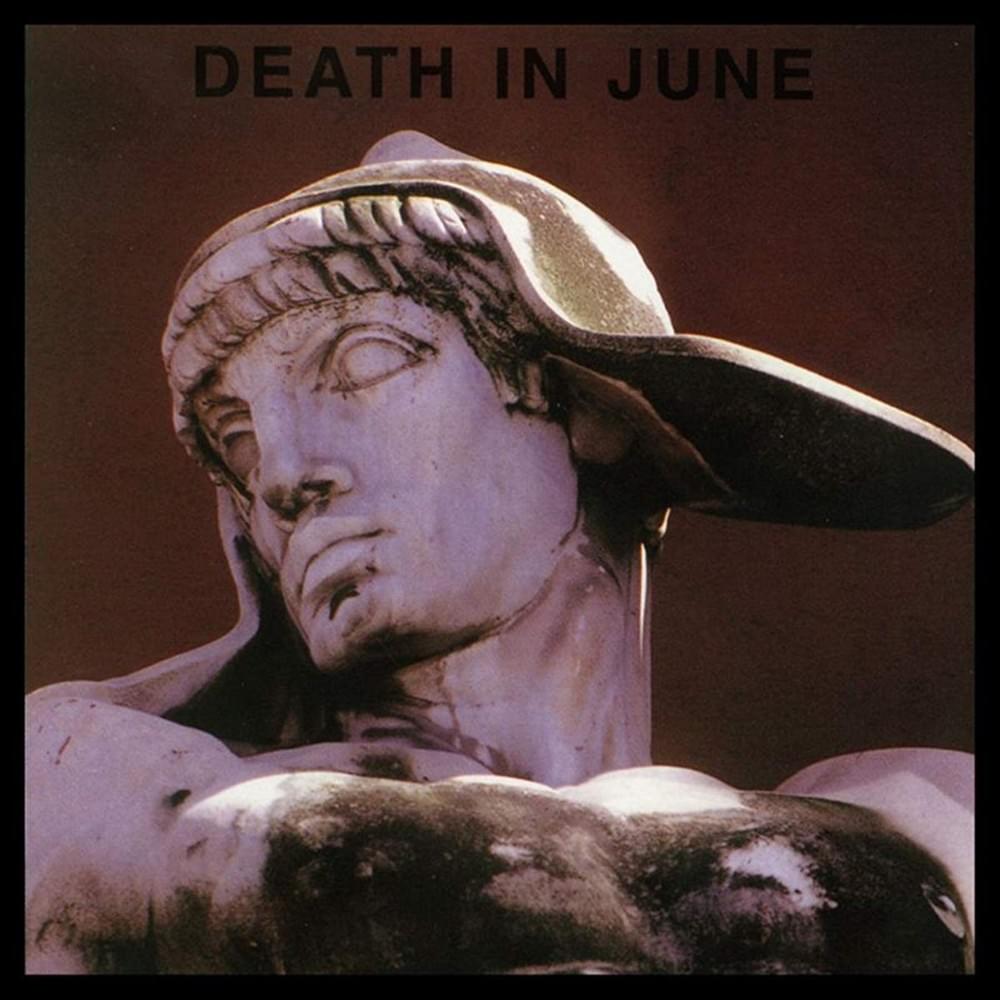
Thagirion: the center of the dark Tree, the place where harmony is impossible in principle. The title of this album poses a question to which there is no answer: what ends when the symbolic systems themselves are destroyed? Douglas Pearce works precisely with this: with the collapse of narrative, with what remains when language and image cease to bear meaning. At the center sits the endless quarrel of fragments that cannot fit into a whole, neither horror nor emptiness.
Death in June: Douglas Pearce, in existence since 1981. Grew out of post-punk, came to neofolk through reflection on what happens when political and mystical symbols lose their bearers. A close ally of David Tibet; many of the albums were recorded jointly or in cross-references.
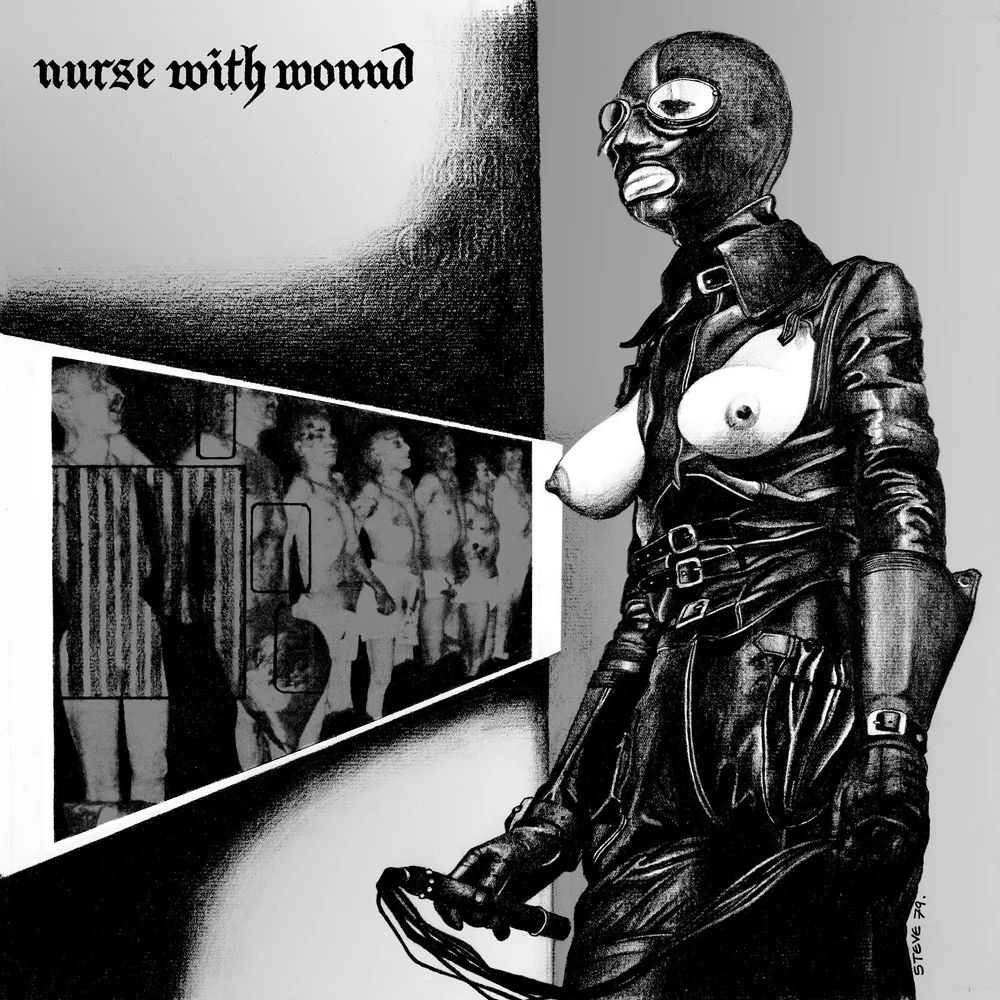
Harab Serapel: the ravens of dispersion, the impossibility of completion. The album title is a citation from Lautréamont's “Songs of Maldoror”, the image of the meeting of incompatibles in an accidental place. Nurse With Wound do not work toward completing anything; they work toward dismantling any beginning before it has time to become anything. A debut album, and already a fully formed principle: creative force that disperses at the moment of arising, because dispersion is the method rather than a shortage of material.
Nurse With Wound: the project of Steven Stapleton, in existence since 1979. The only permanent member is Stapleton himself; the line-up changes from recording to recording. More than 150 releases, none resembling another, and this is their principled stance. Worked jointly with Coil, Current 93, and practically every key figure of the circle.
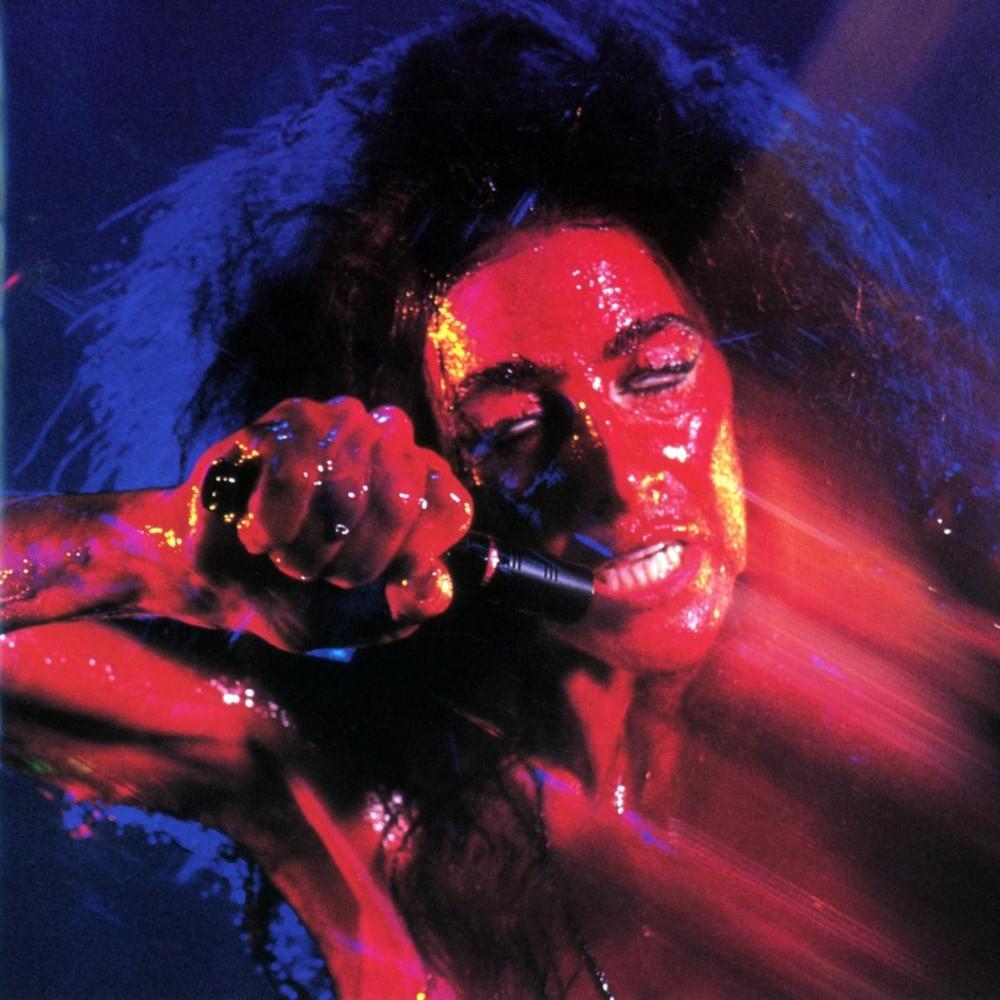
Samael: the poison that calls itself truth, the intellect as a weapon. “Plague Mass” is a requiem for those who died of AIDS, performed at the Cathedral of St John the Divine in New York. Galás takes the texts of the Psalms, prayers, sermons (the official language of the sacred) and turns them into an indictment. Here is exactly the Samaelic logic: precision is applied as a weapon, truth becomes poison, the Accuser-God is turned against himself. The voice of Galás on this recording is not a performance but a sentence.
Diamanda Galás, born in 1955, is a Greek-American composer and vocalist. Works at the intersection of avant-garde opera, blues, and theological horror. Galás's brother died of AIDS in 1986; “Plague Mass” is part of the “Masque of the Red Death” trilogy devoted to the epidemic. She stood outside the occult circle of Coil and Current 93, yet her understanding of sacred violence outreached that of many who worked with the theme by design.
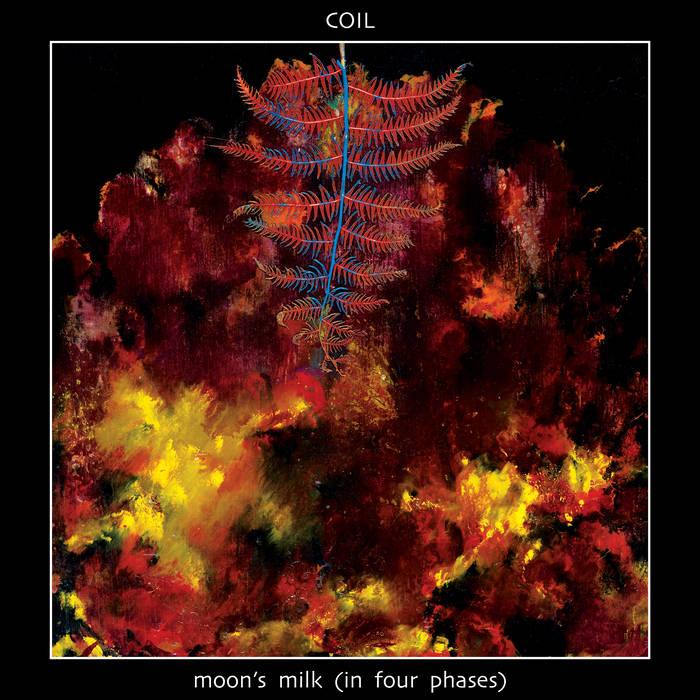
Gamaliel: the shadow of Yesod, the lunar sphere, the channel through which the unclean passes in place of the clean. Coil released “Moon's Milk” as four separate EPs, one for each lunar season, over the course of a year. This is less a cycle about the moon as symbol than about the moon as a working instrument, about how lunar time organizes occult practice. Balance regarded the moon of Yesod as the channel for the forces of Lilith, and across these four recordings this functions as method, not declaration.
By 1998 Coil had moved from industrial to ritual ambient. “Moon's Milk” is the first of several seasonal releases; “Summer Solstice”, “Autumn Equinox”, “Winter Solstice” followed. These function less as albums in the usual sense than as ritual objects with a specific time of use.
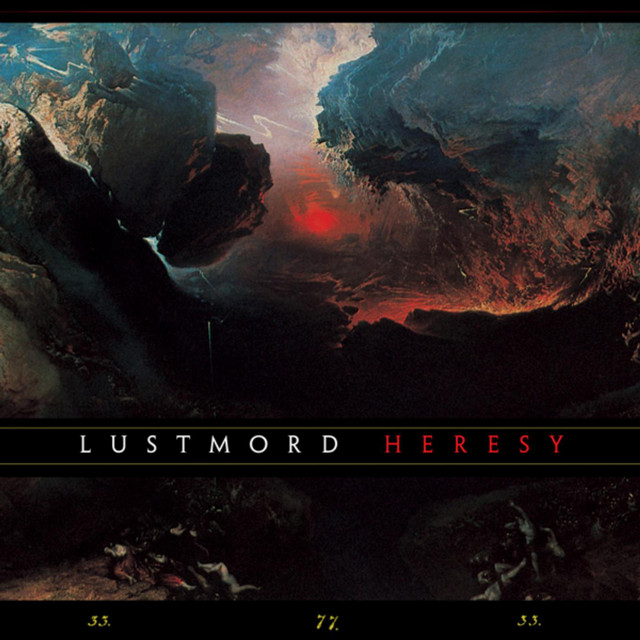
Nehemoth: the underside of the manifest world, the whisper beneath the surface of things. “Heresy” was recorded in monasteries and cathedrals of Barcelona: Lustmord set up microphones in undercrofts, crypts, in spaces where the light does not reach. What sounds here are physical spaces in which sound behaves like a substance, neither synthesis nor processing. The lowest register, voices on the threshold of audibility, space as subject. “Heresy” sounds from the same place Nehemoth comes from, from beneath the lowest point of the manifest.
Lustmord: Brian Williams (b. 1961, Wales), one of the founders of the dark ambient genre. Works with the sound of physical spaces (churches, caves, industrial sites) as primary material. Has written music for films and games, but “Heresy” remains his purest work: no narrative, only the architecture of sound.
Extended context · without precise correspondence
Thomas Martin Ekelund works in the same Swedish occult tradition as Thomas Karlsson, author of “Qabalah, Qliphoth and Goetic Magic”. This is practical rather than conceptual occultism: ritual clangor, a pulsating beat, minimal vocal as mantra rather than song. “Perfection & Permanence” (2012) and “Döda Drömmar” (2014) are the most direct points of entry.
A Moscow ensemble led by Alexei Tegin reconstructs Tibetan ritual practices: vin-da-ga, thung-gser, polyphonic throat singing as activation of resonant spaces. The context most distant from the Western tradition in this list, and useful for that very reason: sound as a physical alteration of space, not its description. The recordings were made in actual acoustic spaces (churches, halls) without studio processing.
Simon Heath builds sonic architectures of enclosed spaces: dungeons, corridors without exit, empty cells. Where Lustmord works with the acoustics of real places, Atrium Carceri constructs imaginary ones, and this makes him the closest analogue to those tunnels that belong to none of the Qliphoth, but exist in the interval. “Kapnobatai” (2005) and “Cellblock” (2003) are a good place to start.
Pär Boström: another voice of Swedish dark ambient, an ally of Simon Heath. “The Nest” (2008) is the sound of waiting in a dark place, a quiet, absolute concentration on something present but unseen, with neither fear nor horror in it. The closest musical analogue to the state which Kabbalah describes as dwelling in the lower part of Malkuth, there where Nehemoth passes over into Naamah.